Making the invisible visible

71 MINUTES

From cave art to subatomic sketches – how drawing has accelerated human progress

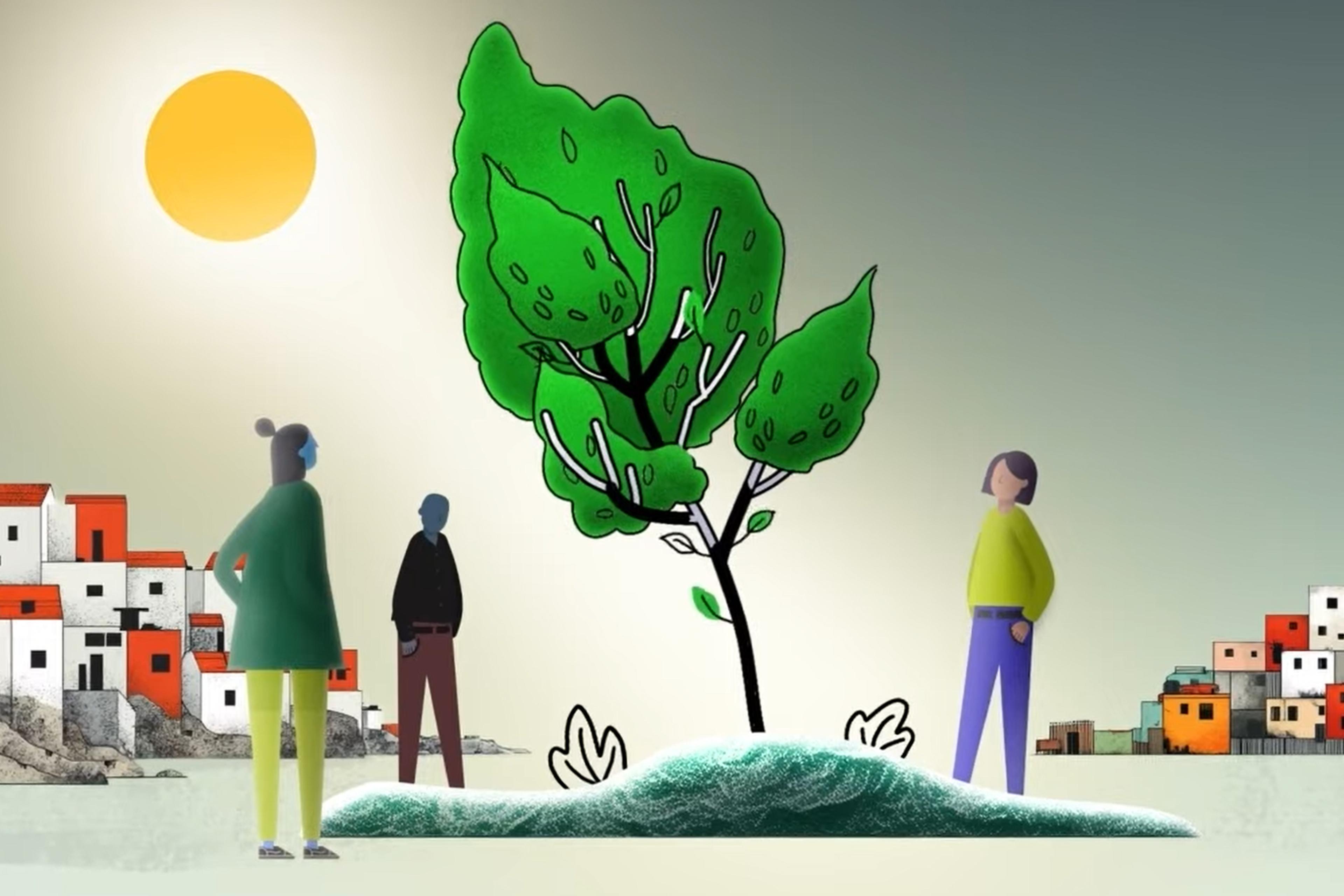
In this riveting dive into cognition, meaning-making and human progress, Judy Fan, an assistant professor of psychology at Stanford University, explores how we transform abstract concepts into real-world innovations. Sharing research from her field – including studies from her Cognitive Tools Lab, which ‘aims to reverse engineer the human cognitive toolkit’ – Fan discusses how, across our history, we’ve expanded and accelerated our understanding of the world through drawing. This includes both directly observed subjects, such as Charles Darwin’s sketches of finches, and theoretical concepts, such as Richard Feynman’s diagrams that express the behaviour of subatomic particles we’ll never be able to see. Building on these ideas, Fan then dives into recent research into a cognitive tool that has grown rapidly alongside the rise of the internet – data visualisation – to investigate how we encode and integrate information to better make sense of our world.
Explore more

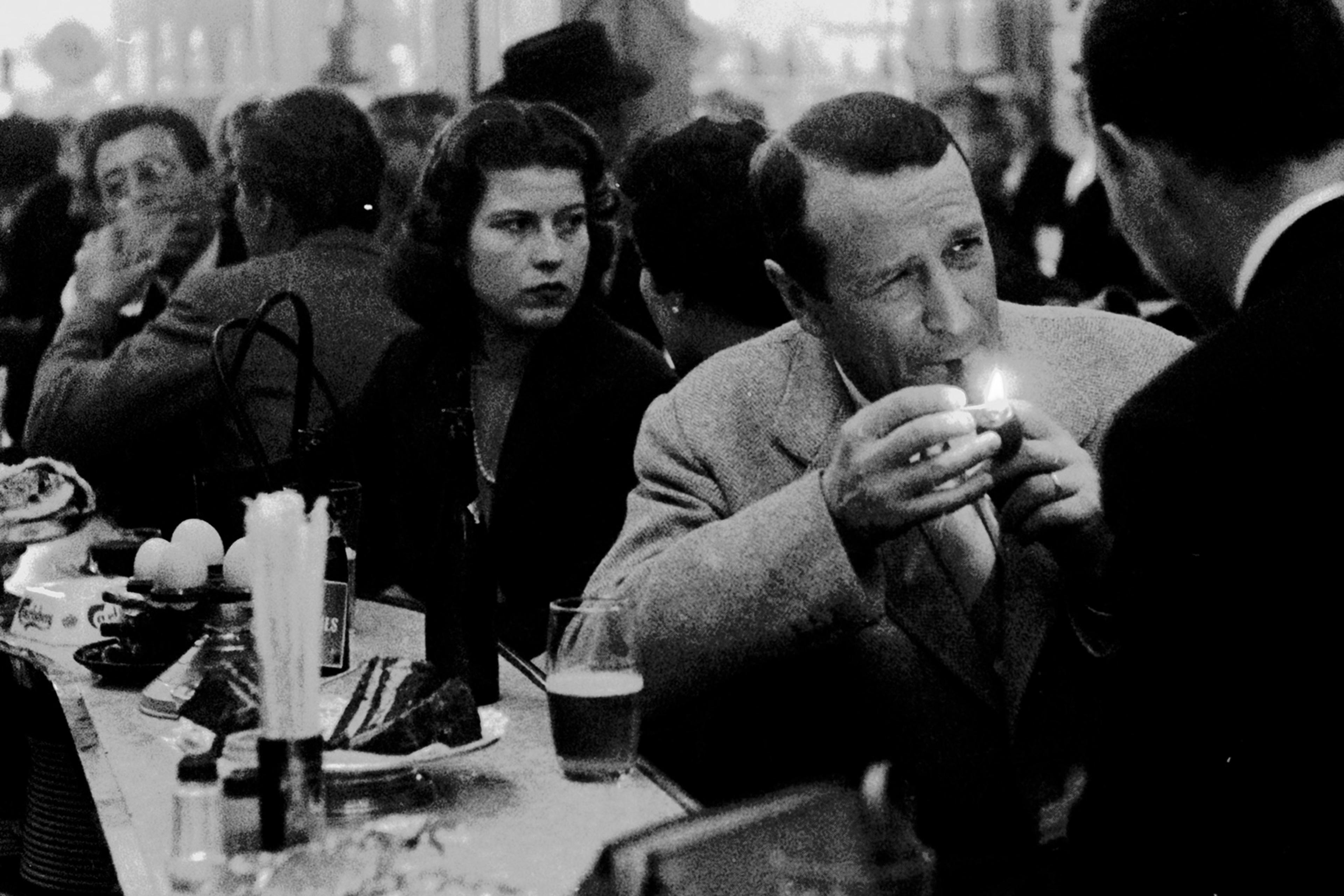
Black and white photo of people in a bustling bar, a man lighting a cigarette at a table with drinks and snacks.

How to think like a detective

The best detectives seem to have almost supernatural insight, but their cognitive toolkit is one that anybody can use

by Ivar Fahsing
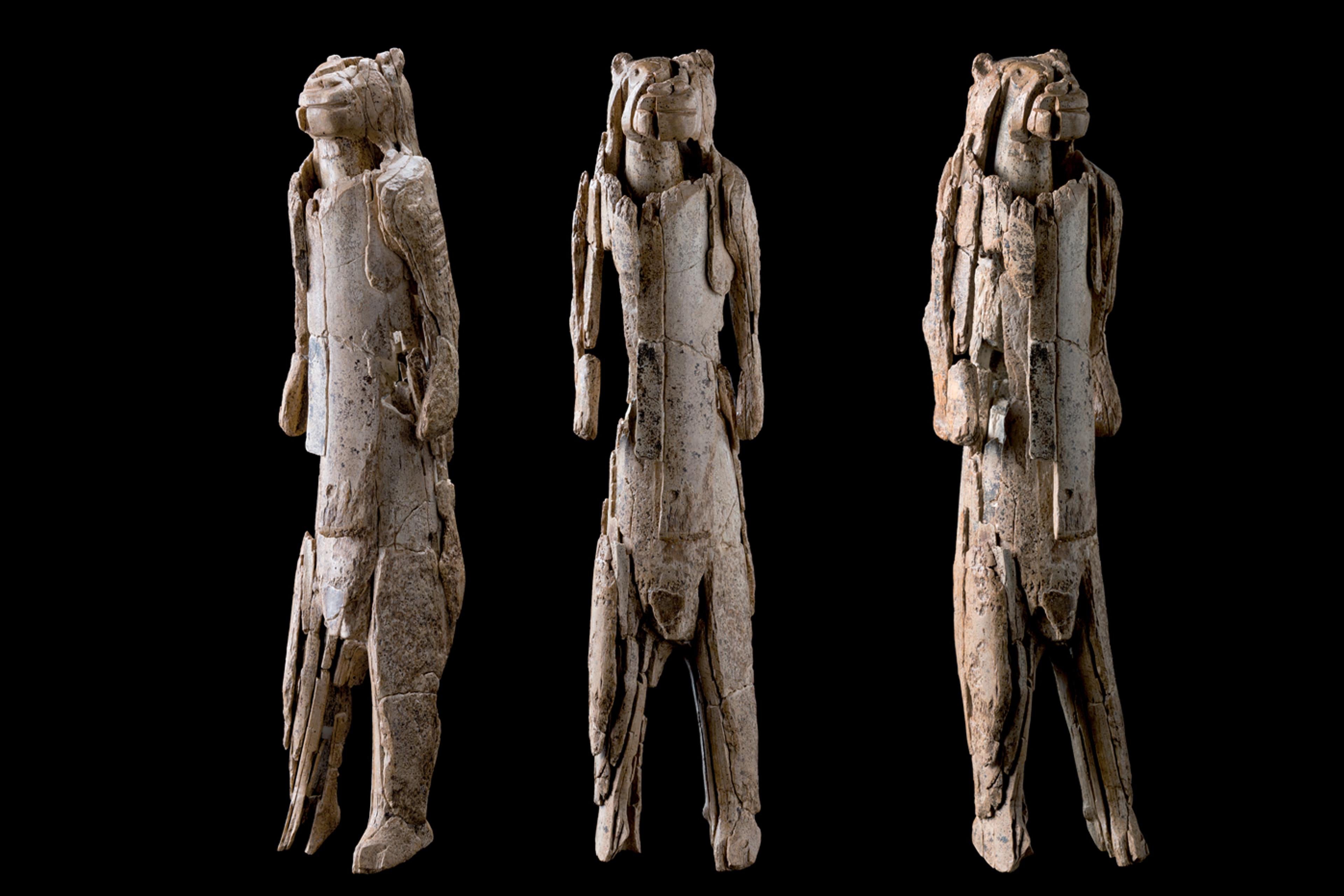
Ivory sculpture of a lion-human figure shown from three angles on a black background.

Our greatest invention was the invention of invention itself

Hypothetical thinking is the key to sustained innovation and creativity: invention drove the evolution of the human mind

by Keith Frankish

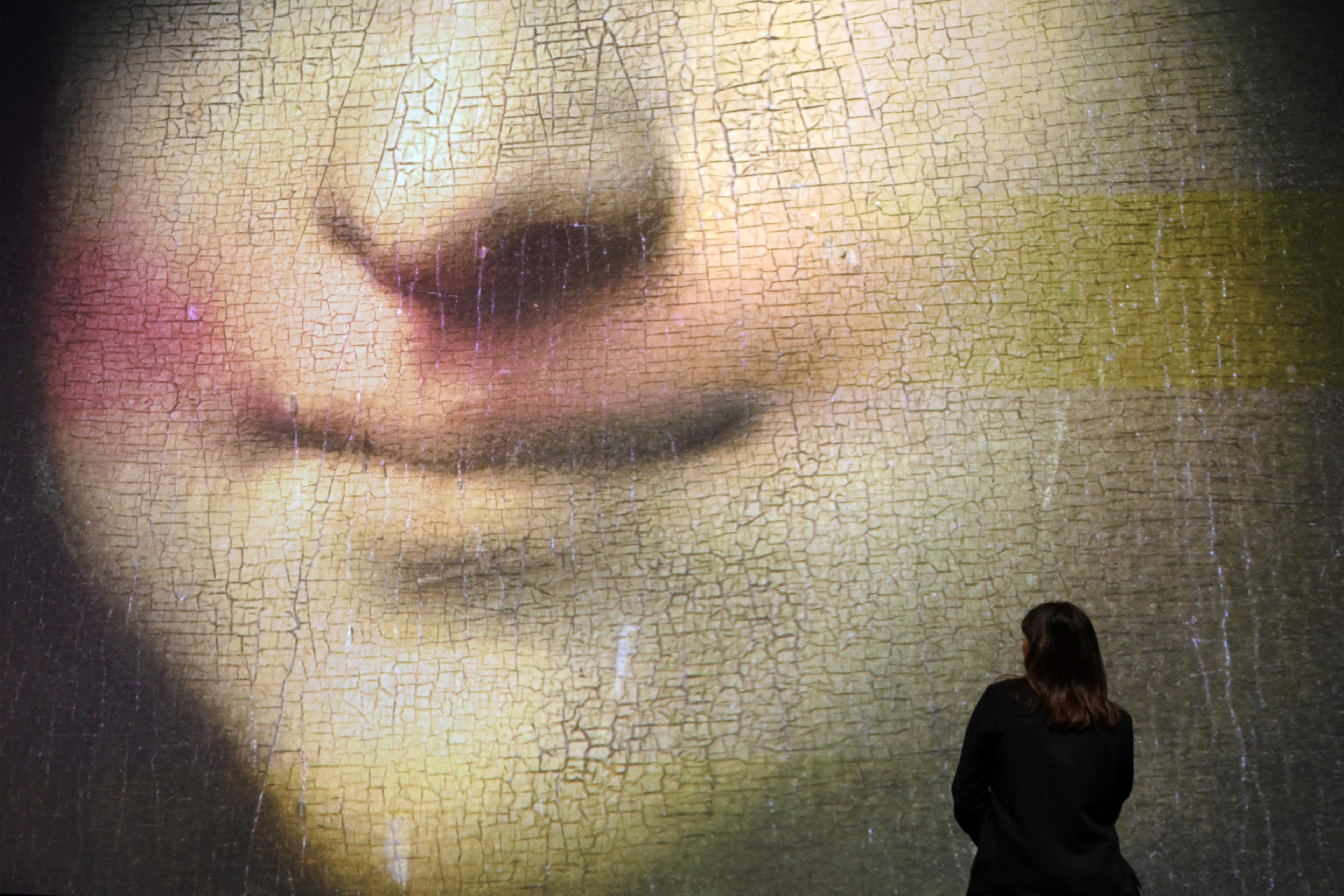
Large projection of a painting’s cracked surface with a person standing in front, focusing on a close-up of a smiling mouth.

Engaging with an artwork leaves you and the art transformed

When you engage with an artwork, a form of cognitive coupling takes place in which your mind and the art are transformed

by Miranda Anderson

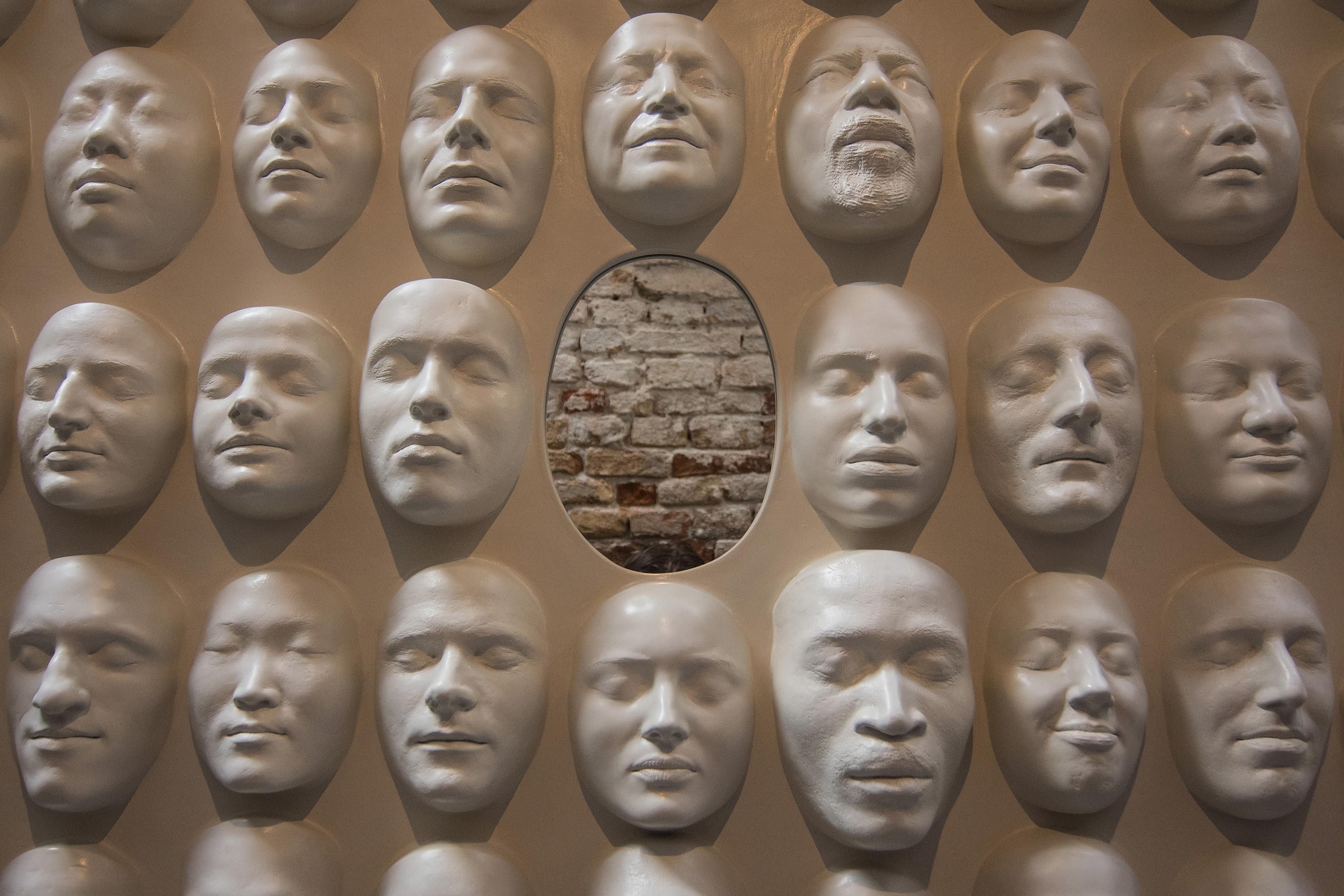
Wall sculpture with white human face masks surrounding an oval gap revealing a brick wall behind.

In the architecture of the mind, where lies human imagination?

In the architecture of the mind, is imagination a built-in structural feature or a result of cognitive remodelling work?

by Michael Omoge

Silhouette of a person sitting on a docked boat at sunset with a bridge and mist in the background, photograph.

How to think clearly

By learning to question and clarify your thoughts, you’ll improve your self-knowledge and become a better communicator

by Tom Chatfield

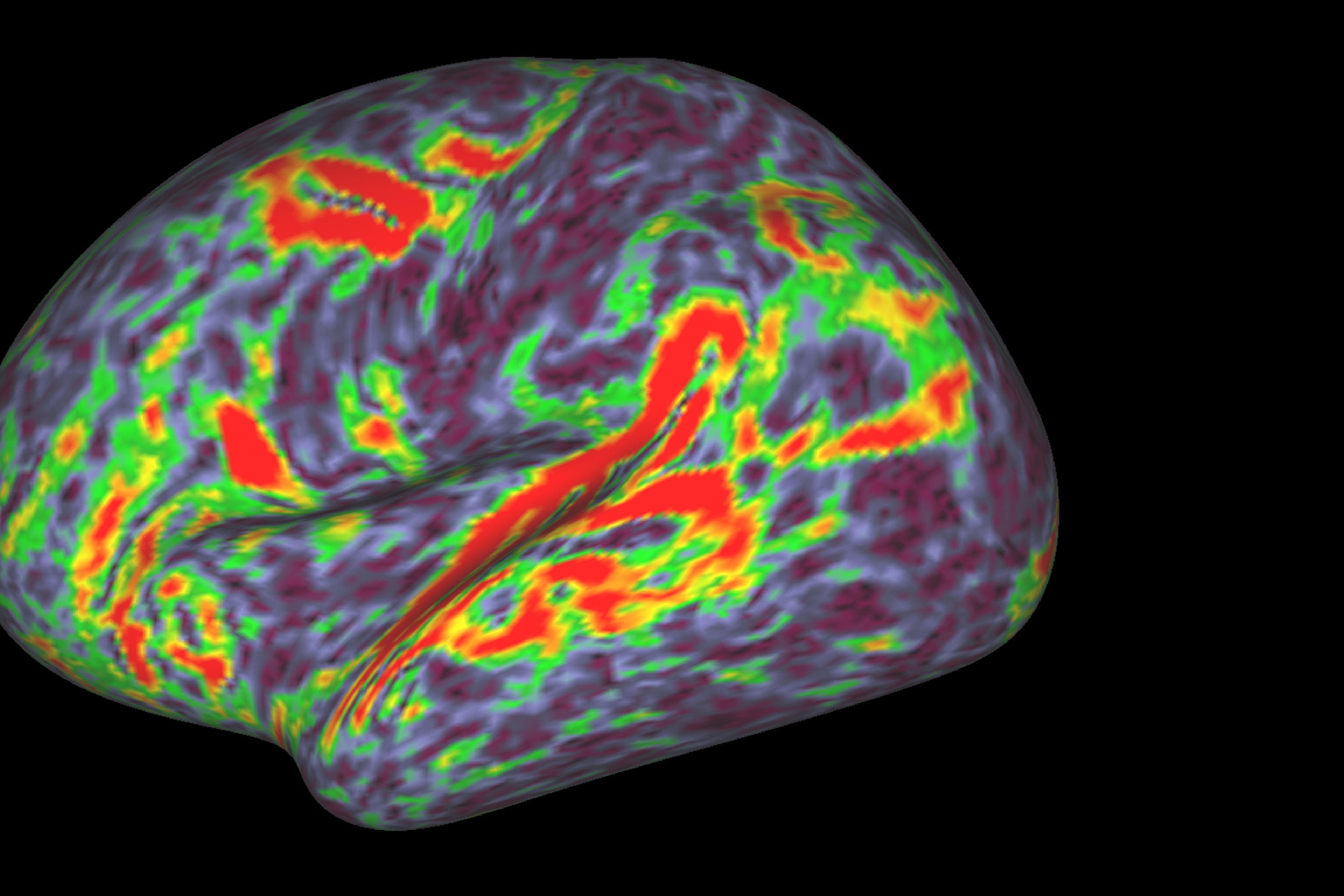
Colourful brain activity scan with red, green, and purple regions, depicted against a black background.

Brain scans look stunning, but what do they actually mean?

Functional brain scans are a valuable tool but their meaning must be interpreted with caution and scepticism

by Danielle Carr

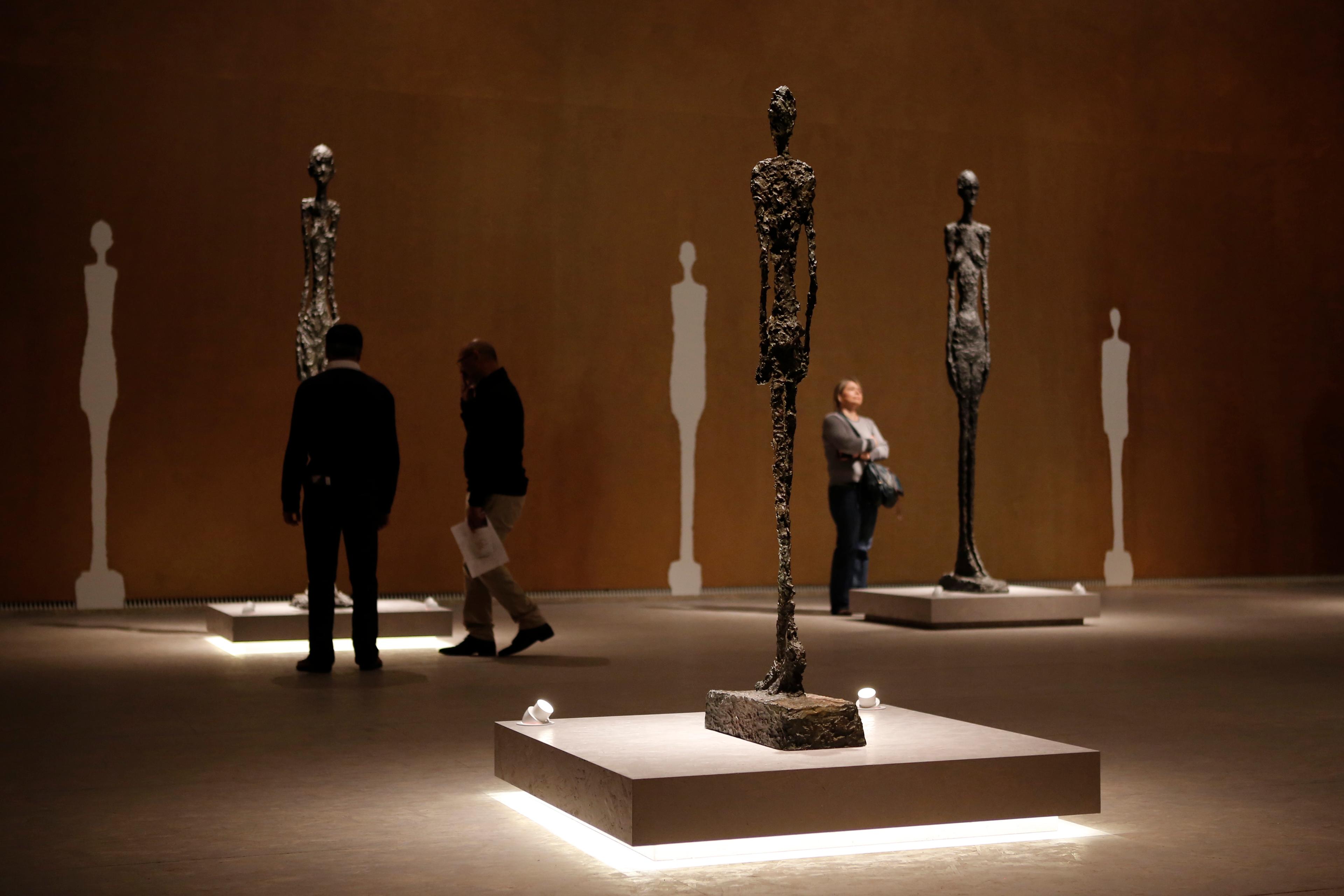
Photo of people viewing tall abstract sculptures in a dimly lit gallery with silhouetted artwork on the walls.

How to see the humanity in anyone

Practising a form of ‘deep curiosity’ can help you connect with yourself and others, even if they’re on the ‘other side’

by Scott Shigeoka