What runners call the ‘pain cave’

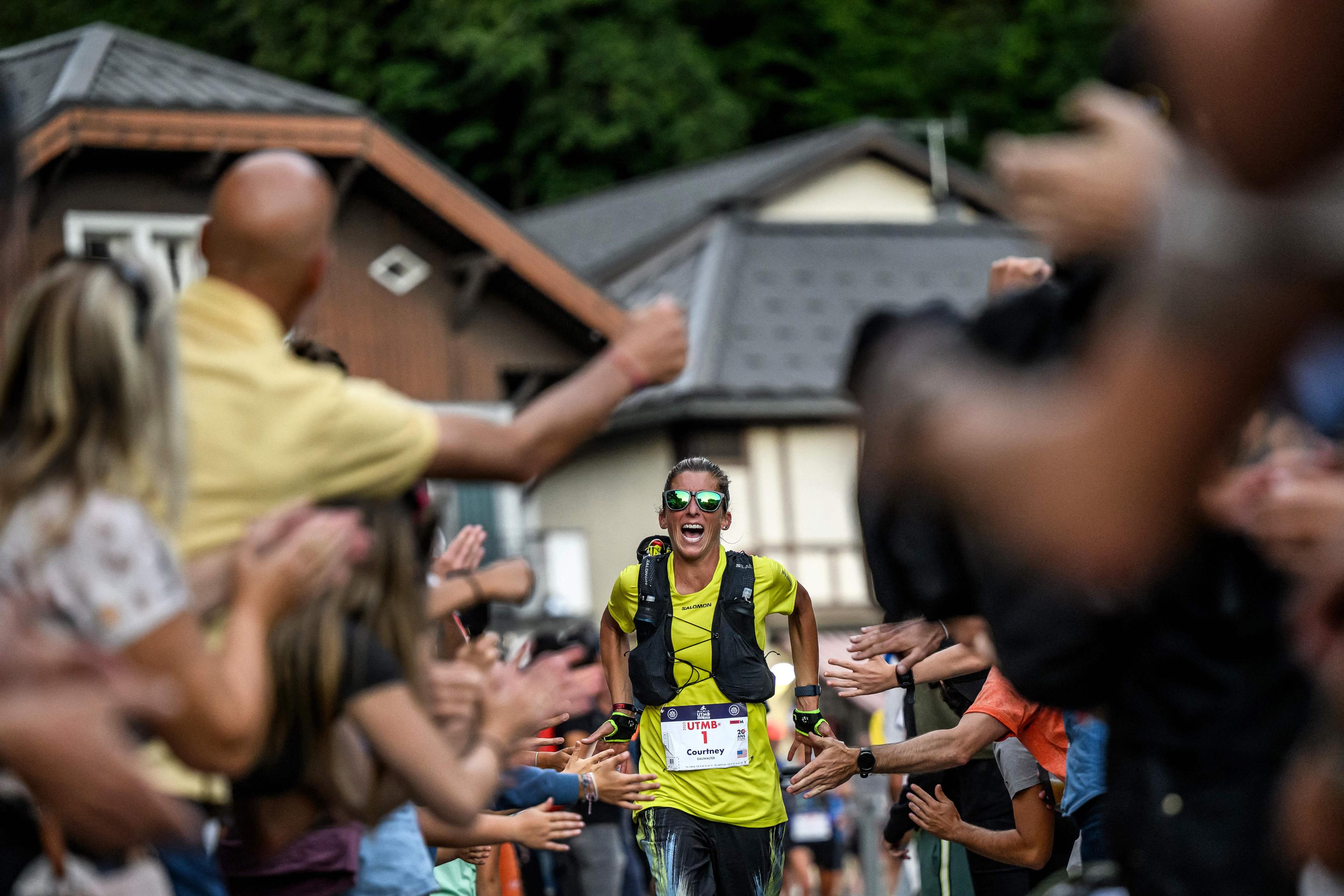
A smiling runner in a yellow shirt high-fiving a cheering crowd on a street lined with buildings and trees.

Outside work, I run. I love it, mostly – it’s my own form of mindfulness. But aching legs and bleeding toes are inevitable. So I was intrigued to hear the ultrarunner Courtney Dauwalter describe in a recent short film how she overcomes pain during a 100-mile race.

Research suggests that ultrarunners like Dauwalter have a higher pain tolerance than the general population. Perhaps their bodies are different, but it also appears to be mental. Dauwalter describes how her mind helps her push through pain. After hours on her feet, she explains, she enters her ‘pain cave’: a place where only mental grit is left.

What particularly struck me was Dauwalter’s approach when inside the cave. Initially, her instinct was to leave. Indeed, she quit her first 100-miler. But now she applies curiosity instead: she explores the cave’s walls, and expands them. ‘I put on my hard hat, I grab a chisel and I imagine going into the very back corners of that cave and just digging into the work,’ she says. ‘Each time I go in the cave, it’s getting bigger for the next visit.’

I find that helpful. Now, when running gets uncomfortable, I remind myself I’ve felt similar before, and survived. Through this, I’m reaching ever-longer distances, curious about how far I can go.

I’m reminded of an observation the novelist Haruki Murakami makes in his memoir What I Talk About When I Talk About Running (2007) – ‘Say you’re running and you start to think, Man this hurts, I can’t take it anymore. The hurt part is an unavoidable reality, but whether or not you can stand any more is up to the runner himself.’

You don’t need to run to find insight from these runners. In life, we all spend some time in our own personal pain caves, especially when stretching ourselves. Pain is unavoidable. The good news is that our tolerance can rise.

by Richard Fisher

FIND OUT MORE

‘Courtney Dauwalter’s Ultimate Challenge: Three Iconic 100-mile Races in One Summer’ (2024), a short film.

‘Courtney Dauwalter’s Advice to Improve Your Running’ (2024), an online interview with Floris Gierman.

‘How to Enjoy Running ’ (2022) by Christian Jarrett, a Psyche Guide.


NOTE TO SELFEMOTION REGULATION

Seeing all the parts of a tough situation

An adult and child looking at Santa inside a large snow globe with snowy trees at dusk.

When I’m going through something stressful, I have a strong urge to think out loud about it with someone I trust. There are probably several reasons I end up feeling better: my listener helps me avoid catastrophic thinking, or reminds me that they have my back if things get worse. But another likely reason is that having the chance to describe a difficult situation in detail – even if you’re just describing it to yourself, as in a journal – invites you to see the full picture, and in many cases, it’s not all bad.

Research by Christian Waugh and colleagues at Wake Forest University in North Carolina underscores this and highlights its potential for helping us manage our emotions. They focused largely on people’s experiences during the COVID-19 pandemic, based on data they collected then. When people reflected on a stressful experience they’d been having, and were prompted to describe six specific elements of the situation, they tended to list at least one that was positive (such as spending more time with family during the pandemic). Having more positive elements in the list was associated with feeling less negative and more positive emotion following the task. Taking some time to elaborate on one of the positive aspects seemed to help people feel better, too.

It can be annoying to be told to ‘look on the bright side’ or ‘find the silver lining’. But personal trials often come with opportunities for growth or self-insight; grief or separation sometimes lead to new connections; and even mundane sources of frustration (a traffic jam, say) can contain small points of pleasure or relief (enjoying a song on the radio that you would’ve missed). Where there are such leavening factors, taking a moment to talk or write about the experience could help us make the most of them.

by Matt Huston

FIND OUT MORE

To learn about other accessible means of managing emotions, start with this Psyche Idea written by Christian Waugh himself: ‘Asking One Simple Question Can Entirely Change How You Feel’ (2022).

In an episode of the Speaking of Psychology podcast (produced by the American Psychological Association), the psychologist James Pennebaker talks about his research on expressive writing and how it makes people feel better.


NOTE TO SELFFEAR AND PHOBIA

How scary is it really?

A silhouette pressing hands on a frosted glass door in an abandoned room with peeling paint on walls and door.

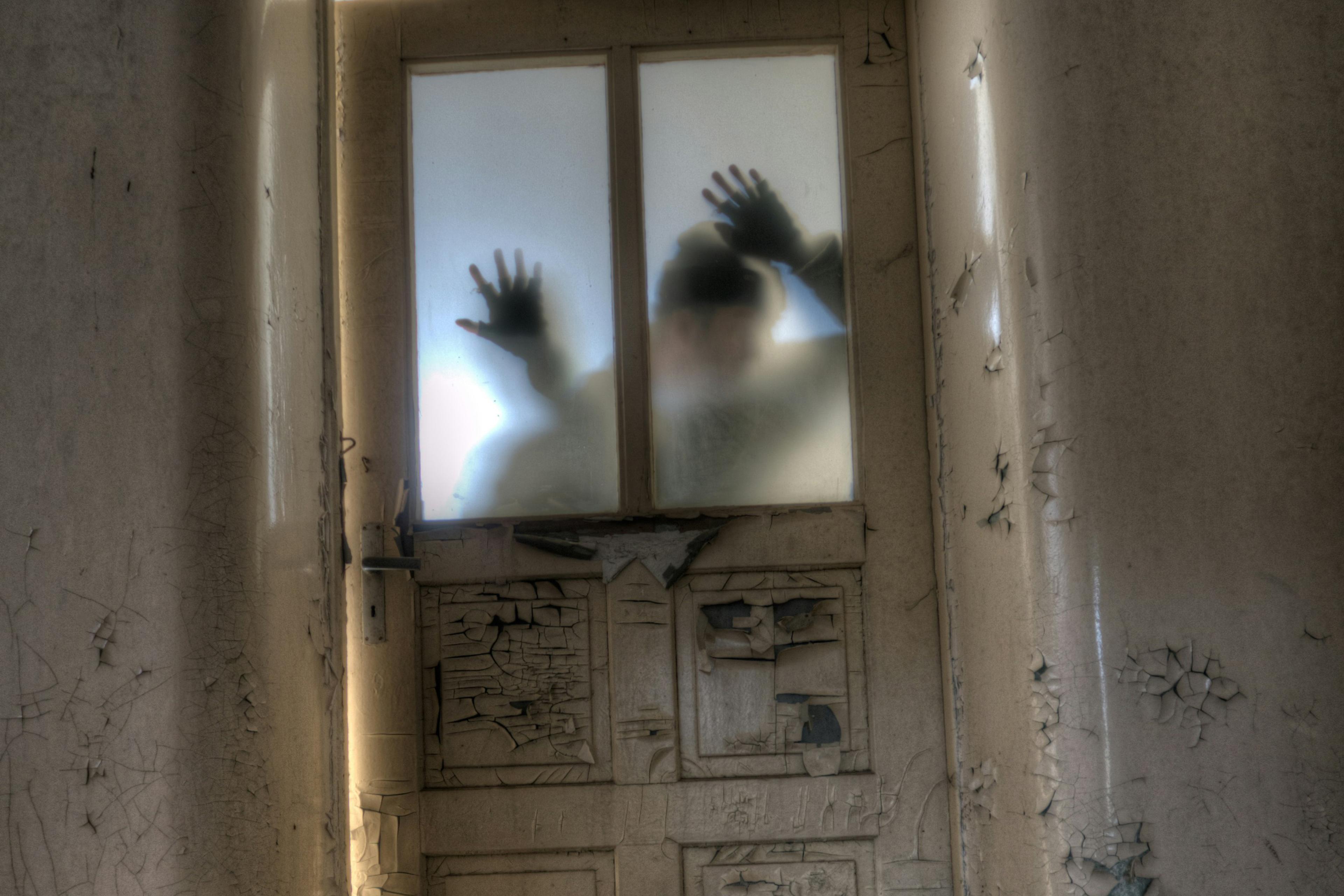
Many situations in life that are supposed to be fun also involve a high degree of uncertainty: dates with strangers, rollercoasters with unpredictable twists and turns, unrehearsed karaoke. For those of us who like to be able to see what’s coming, many of these potentially enjoyable opportunities may as well have warning signs hanging over them. Sometimes it’s tempting not to take the risk. But I recently came across a study that made me wonder if I should challenge myself more often.

The researchers, including members of the Recreational Fear Lab at the University of Aarhus in Denmark, surveyed visitors to Dystopia Haunted House – one of those immersive attractions where you wander past menacing costumed actors, not knowing what will pop out next. Before they went in, the participants completed some questionnaires, including one tapping their intolerance of uncertainty. (They rated how much they agreed with statements like ‘I can’t stand being taken by surprise’ and ‘Uncertainty keeps me from living a full life’.) As you might expect, visitors who were less tolerant of uncertainty had dimmer expectations about how the haunted house would hit them. They anticipated less positive emotion and more anxious and generally negative emotions than the uncertainty-tolerant did. And yet, afterwards, visitors across the board (including the uncertainty-averse ones) reported feeling more positive emotions and less unpleasant emotions in the haunted house than they predicted they would.

In other words: despite the frightening surprises they’d encountered, it wasn’t so bad after all. It seems that for me and other certainty-craving people, the real problem might not be the ghoul hiding around the corner or the possibility of singing off-key at the karaoke bar, but our pessimism about how it’ll make us feel.

by Matt Huston

FIND OUT MORE

If uncertainty causes you discomfort, too, you might benefit from reading the Psyche Guide ‘How to Embrace Uncertainty’ (2023) by Arie Kruglanski.

To learn more about research on haunted attractions and the benefits of horror, check out the Aeon Essay ‘Fear Not’ (2021) by Mathias Clasen.


Embrace the monotony

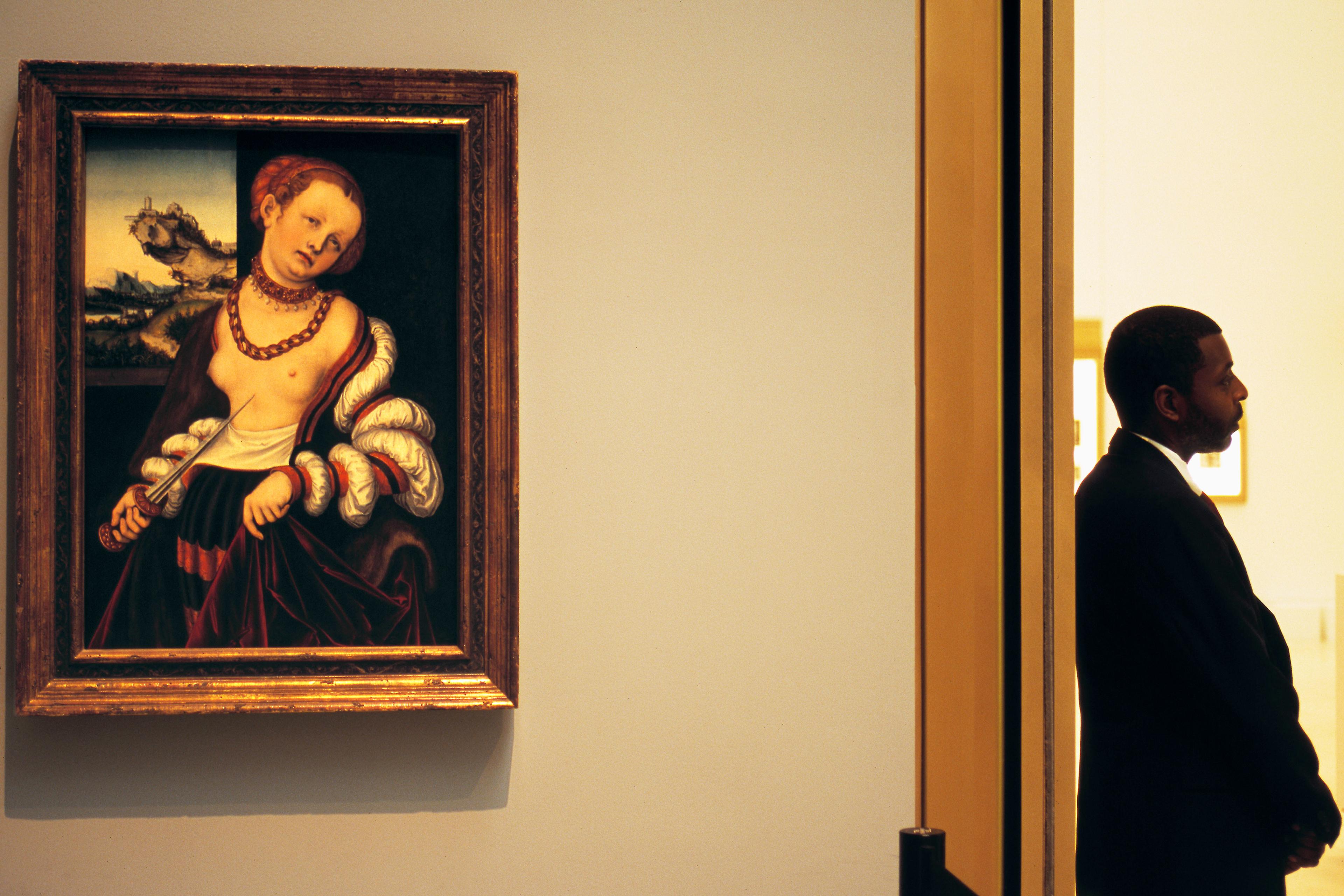
A painting on a wall with a man in a suit standing in profile beside a doorway in an art gallery.

For most of my 20s, I couldn’t brush my teeth, ride public transit, or take a walk without listening to a podcast or audiobook. Silence, I thought, was a waste of time.

But since reading All the Beauty in the World (2023), I’ve been reconsidering my relationship to dull, seemingly empty moments. In the book, Patrick Bringley recounts his decade among the watchful guards of New York’s Metropolitan Museum of Art. Standing in the Met’s echoic halls for hours on end, day after predictable day, he found that, over time, his relationship to the work slowly changed. Initial enchantment with the art gave way to boredom – and then, enlightenment. He surrendered to the ‘turtleish movement of a watchman’s time’, stopped thinking about how much of his shift was left, and let the hours drift.

I think about Bringley’s experience when I have to engage in any long, monotonous task. It might be waiting in line or on hold, vacuuming, folding laundry, or chopping vegetables for dinner. I resist the urge to fill the time with music or podcasts and strive instead for what Bringley calls a ‘princely detachment’ from time, finding the luxury and nuance in the moment.

Bringley noticed patterns in the different kinds of Met visitors. Hanging up my laundry, I notice patterns in how different articles of clothing tend to wrinkle in the wash. Bringley developed an appreciation for artworks that he initially ignored. I pay finer attention to the unique composition of facial features on the faces of people I stand in line with. I am learning, I think, to appreciate the little things.

Of course, it requires constant practice to find the peace and richness in these stretches of time. But your reward comes, Bringley says, when an hour no longer feels an hour long, and you ‘hardly remember how to be bored’.

by Hannah Seo

FIND OUT MORE

For a thoughtful conversation on how to embrace silence, and the meaning that can be found in intimate moments of quiet, listen to the episode ‘How to Sink Into Silence’ from the podcast The Gray Area with Sean Illing.

The Psyche Guide ‘Solitude Can Be Profoundly Restorative. Here’s How to Savour It’ (2025), by the psychologist Thuy-vy Nguyen, offers expert guidance on treating alone time as an opportunity, rather than a boring interlude.


The benefits of thinking about deep time

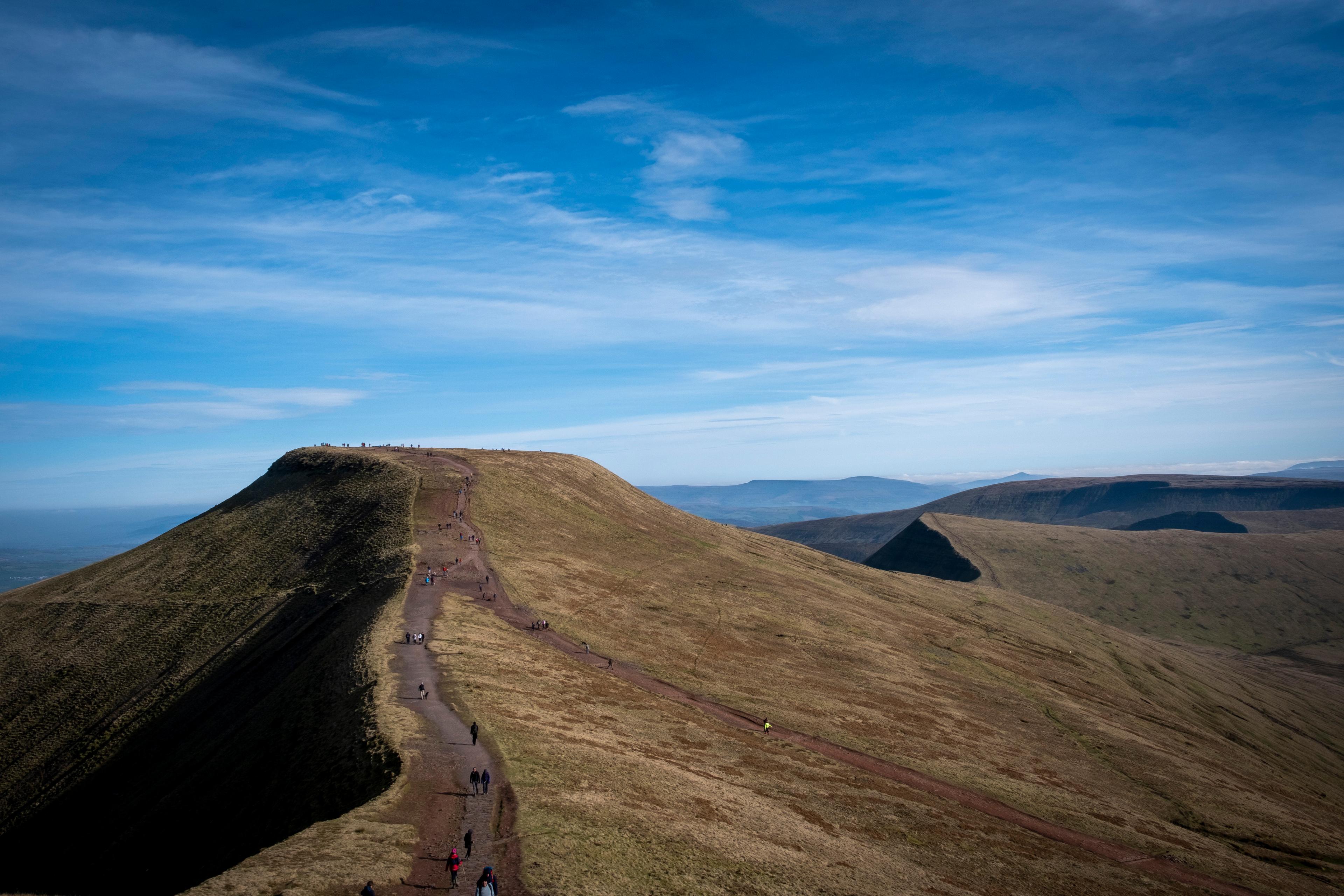
A mountain peak with a walking path and hikers, under a clear blue sky with scattered clouds.

Last September, I took part in a ‘Deep Time Walk’: a 4.6 km hike through the Welsh countryside, mirroring 4.6 billion years of Earth history. As the kilometres passed, our guide took us from the Precambrian to the Holocene, stopping periodically to share pivotal moments: life’s origin, cataclysmic bombardments, mass extinctions. Every metre we stepped was a million years.

In the last moments of the walk – our legs well exercised by this point – our guide pulled out a tape measure. The last 30 cm of the 4.6 km, he explained, represent Homo Sapiens. The final half-centimetre? Recorded human history. And right at the end, some of humanity’s most consequential events – the invention of the printing press, the Renaissance, the Industrial Revolution – could all squeeze into the final millimetre. After walking for kilometres through Earth’s past, I felt a sublime smallness, but also awe.

A growing body of research suggests there are myriad psychological benefits to feeling small in the face of nature’s vastness: it dampens the ego, and can foster feelings of humility, reciprocity and generosity. Most of these studies have focused on the physical world – boundless landscapes or the enormity of the cosmos, for instance – but one recent paper, by Matthew Hornsey and colleagues, showed there are also upsides to experiencing smallness in time.

Rather than go on a walk, the researchers simply showed people a video that compressed the Universe’s 14-billion-year history into one year, then asked them to reflect on how human history and their lives fit within that story. The psychologists wondered if it might prompt thoughts of mortality, but the effects were actually positive: in particular, people reported greater self-forgiveness and lower anxiety.

Our time on Earth is short – and, from the planet’s perspective, we are just flashes of sunlight on a pond – but it turns out that embracing that fact could be good for you.

by Richard Fisher

FIND OUT MORE

Watch the clip, used in the study by Matthew Hornsey and colleagues, that compressed the 14-billion-year history of the Universe into a year, edited from the US TV series Cosmos: A Spacetime Odyssey (2014).

You can discover more about Deep Time Walks, or download the app to walk one wherever you are.

My Psyche Guide ‘How to Do Mental Time Travel’ (2024) and my book The Long View (2023) both explore how to take a longer perspective of time.

Explore more

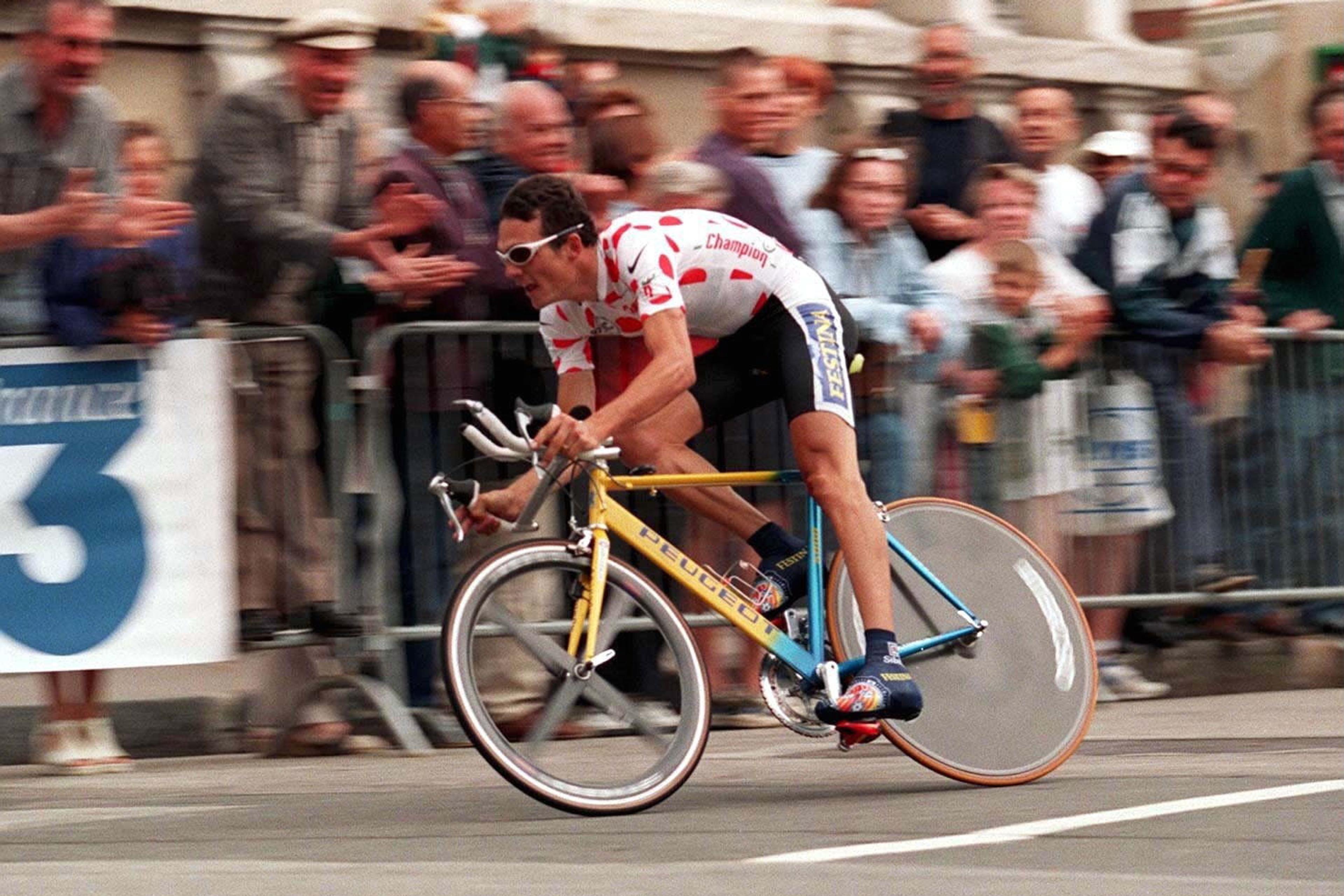
Photo of a cyclist in a red polka dot jersey racing past a cheering crowd on a yellow bicycle.

Physical fatigue is in the brain as much as in the body

The idea of ‘mind over muscle’ is more than motivational rhetoric – exercise science shows how the brain manages fatigue

by David Robson

Photo of a woman in a yellow top using her phone at a table, with a blurred person in the foreground.
PAIN

Sometimes other people know your pain better than you

Why turning to others can give us the self-knowledge we need to understand and manage the experience of our own pain

by Kenneth Boyd

Photo of a footballer lying on a pitch looking distressed with a child nearby holding a ball.

How to be a better loser

As a competitor, you can’t avoid the hurt of losing. But you can learn ways to bounce back stronger and more motivated

by Blakely Low-Scott

Photo of a female athlete smiling while crossing a track finish line with a cheering crowd in the background.

Sport shows how to use performance benchmarks in a positive way

IQ scores and other contextless benchmarks are suffocating and misleading. We should look to sport for a healthier approach

by Leif Weatherby

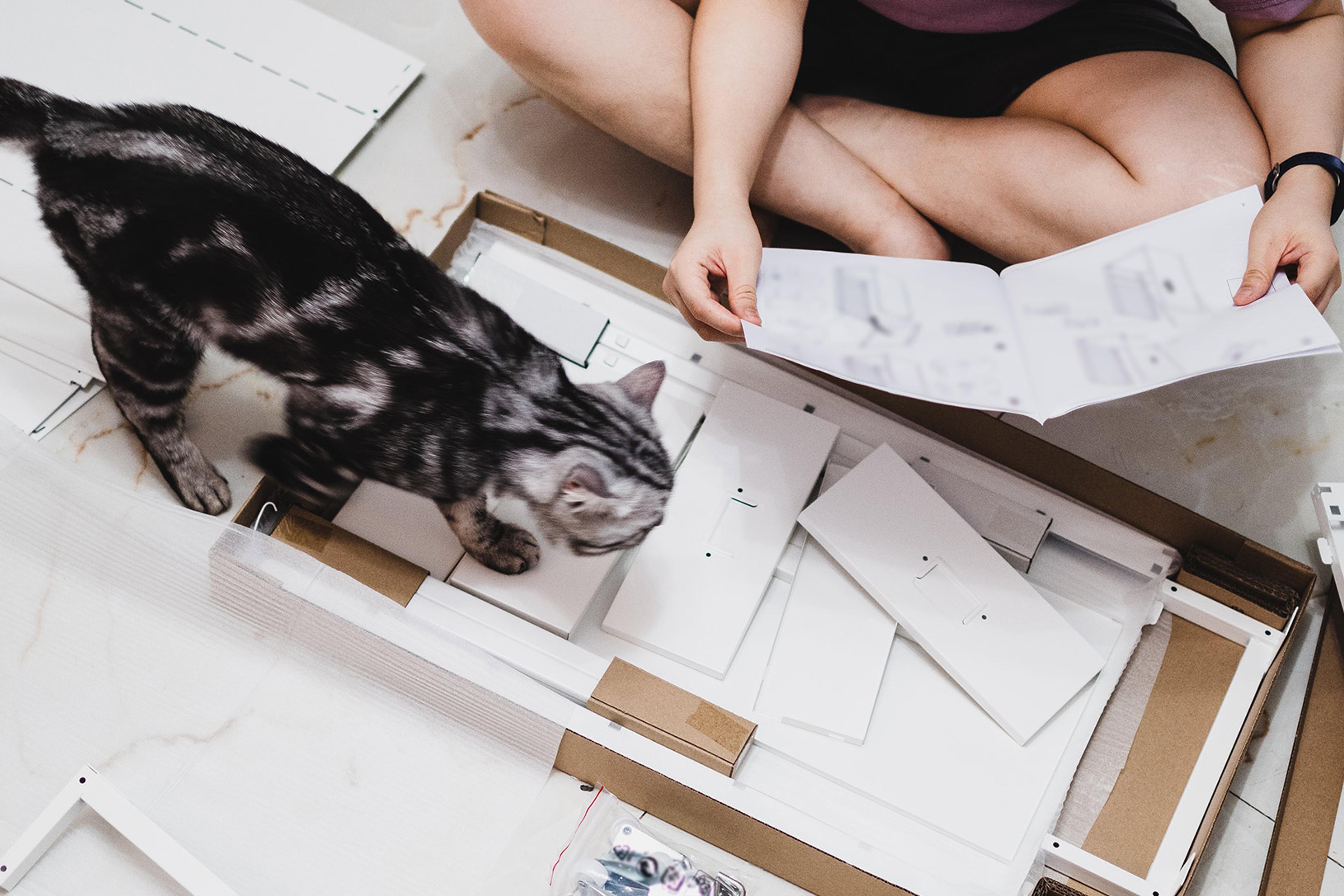
Person sitting cross-legged on the floor with instructions book to assemble flat-pack furniture with a cat getting in the way.

When a tricky task makes your brain hurt, here’s what to do

Although thinking hard is a daily experience, psychologists are only just beginning to understand how aversive it can be

by Todd Vogel

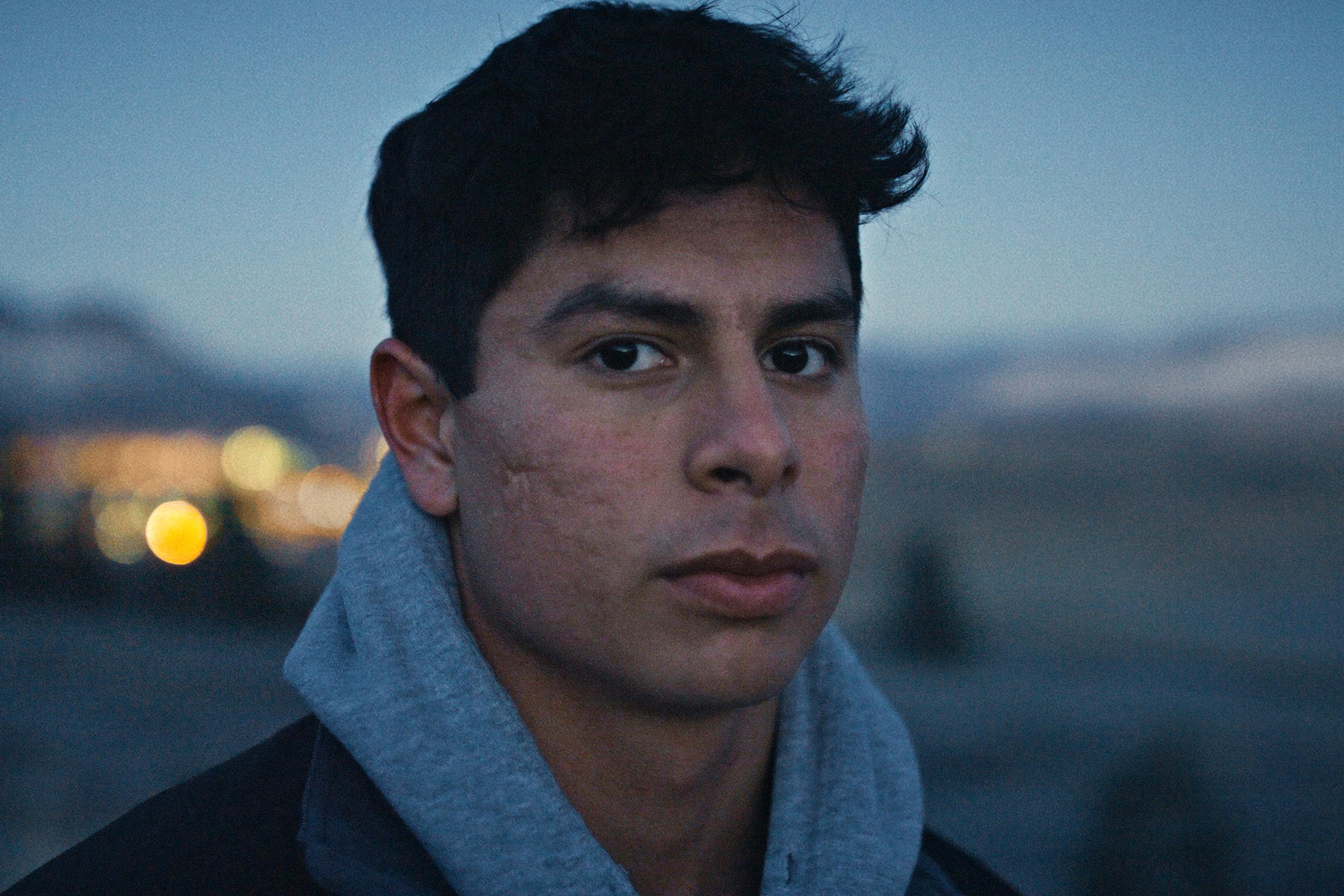
A young man with a serious expression wearing a grey hoodie outdoors at dusk, with a blurred landscape and lights in the background.

Why Darius is testing mind and body to run 100 miles in the cold

Directed by Amar Chebib

Black and white photo of a person with headphones on eyes closed hands raised appearing to enjoy music.

How to enjoy your problems

Accepting your problems is one thing. To enjoy them? Well, that’s pretty much enlightenment. Here’s how to get there

by Chelsea Harvey Garner

Photo of a person walking down a grassy path in a parkland area under a cloudy sky, surrounded by trees and bushes.

How to complete an impossible challenge

There’s no need to hide under the bed covers – with the GOD principle you’ll be able to achieve your goals, big or small

by Kevin Dutton & John Collins